











Transforming Big Data Into Action
WEBSITE + SOCIAL MEDIA
Commonly aggregated in spreadsheets, data is dependent on dedicated tools to glean insights of triggers and patterns that drive specific behaviors and outcomes. Enriched with layers of related data sets, one begins to create a fuller picture. But this can also render complexities that often discourage readings. To drive decisions that leads to action, dynamic data needs to be presented in an accessible form, giving everyone, from analyst to the general population, a chance to ask the ‘right’ questions; ultimately inspiring all towards enacting real change and transformation.
An Urgent Call To Action
In March 2013, the medical journal Lancet published data showing that the premature death rate in England was high in comparison to its European Union counterparts (it ranked 12th out of the 19 countries). In response, the UK Secretary of State for Health made a call to action to reduce premature mortality rates in England, with the aim of saving 30,000 lives in the next 7 years.
Public Health England (PHE)—formed in April 2013 to protect and improve the nation’s health and well-being, and to reduce health inequalities—were commissioned to produce communications about premature mortality rates across England in order to stimulate change. PHE initially imagined this can be achieved with a better designed spreadsheet.
The government has a lot of complex data which is very useful but inaccessible and fragmented. Only analysts and specialized experts are able to discern meaning from the data. It therefore does not get debated or actioned in the way that it could and thus loses its power.
What they needed to offer was an experience which transforms complex data into easy, consumable forms so anybody can glean meaningful insights. In conjunction, they needed to provide a wider forum for debating positions, a platform to share solutions, and networked channels to take actions on a local and national level.
PHE’s Longer Lives delivers this while disrupting entrenched bureaucracies.
Transforming Big Data
Into Action
Design Principles
Iterative projects benefit from design principles to guide and focus its evolution.
– Make It Simple
– Make Things Open
– Design Digital Services, Not Websites
– Iterate, Then Iterate Again
– Build For Inclusion
The Journey Strategy
The primary audience for PHE’s Longer Lives are local health authorities in each borough in England; specifically high level directors and CEOs who set, budget, and manage health initiatives for their local constituents. But in order to drive discourse about certain issues surfaced with the data, the press and media is key to facilitating people’s (patients, health providers, policy makers) thoughts, experience, and expectation. It was also important to use social media to engage those who will be impacted by any decisions and actions taken by their health authorities to feedback on policy shortcomings and successes.
Visualizing Dynamic Data Sets
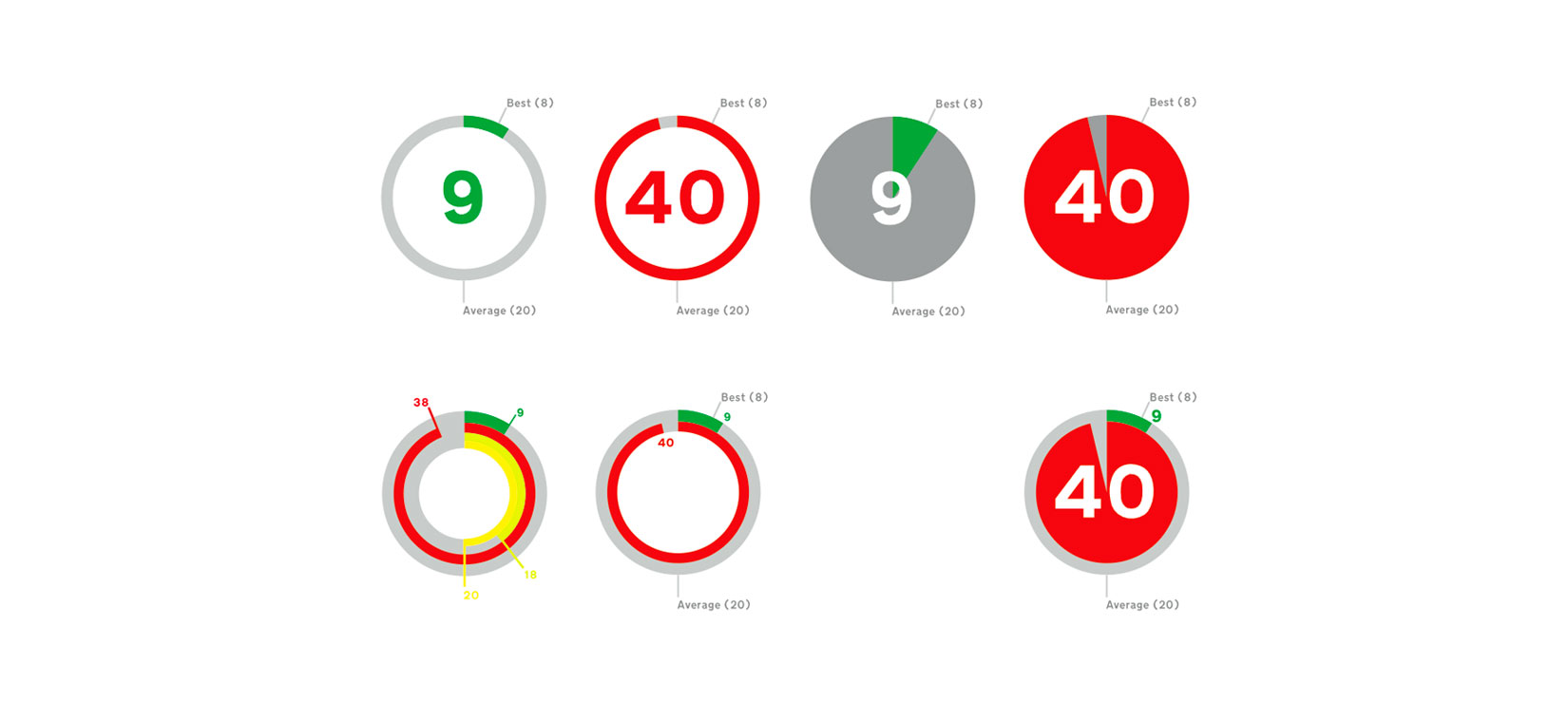
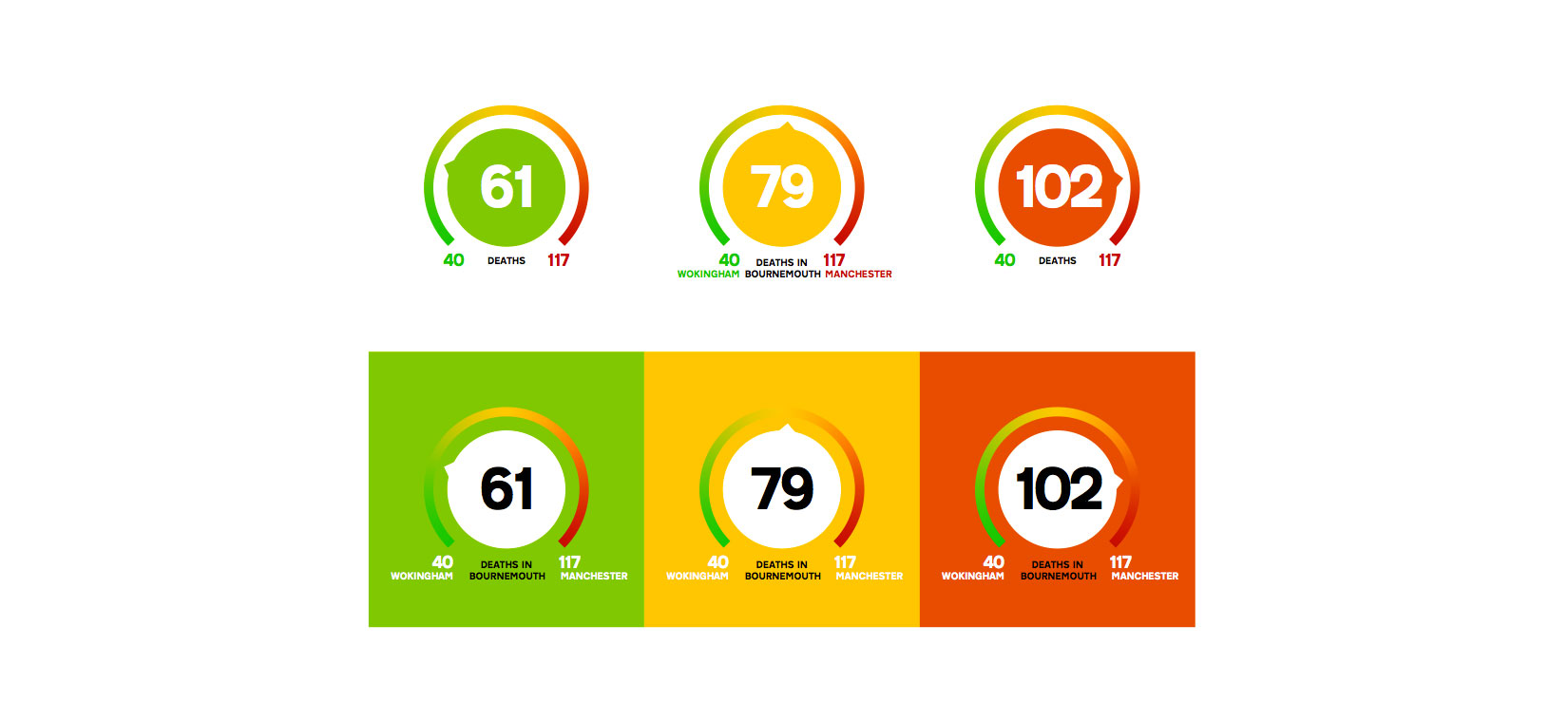
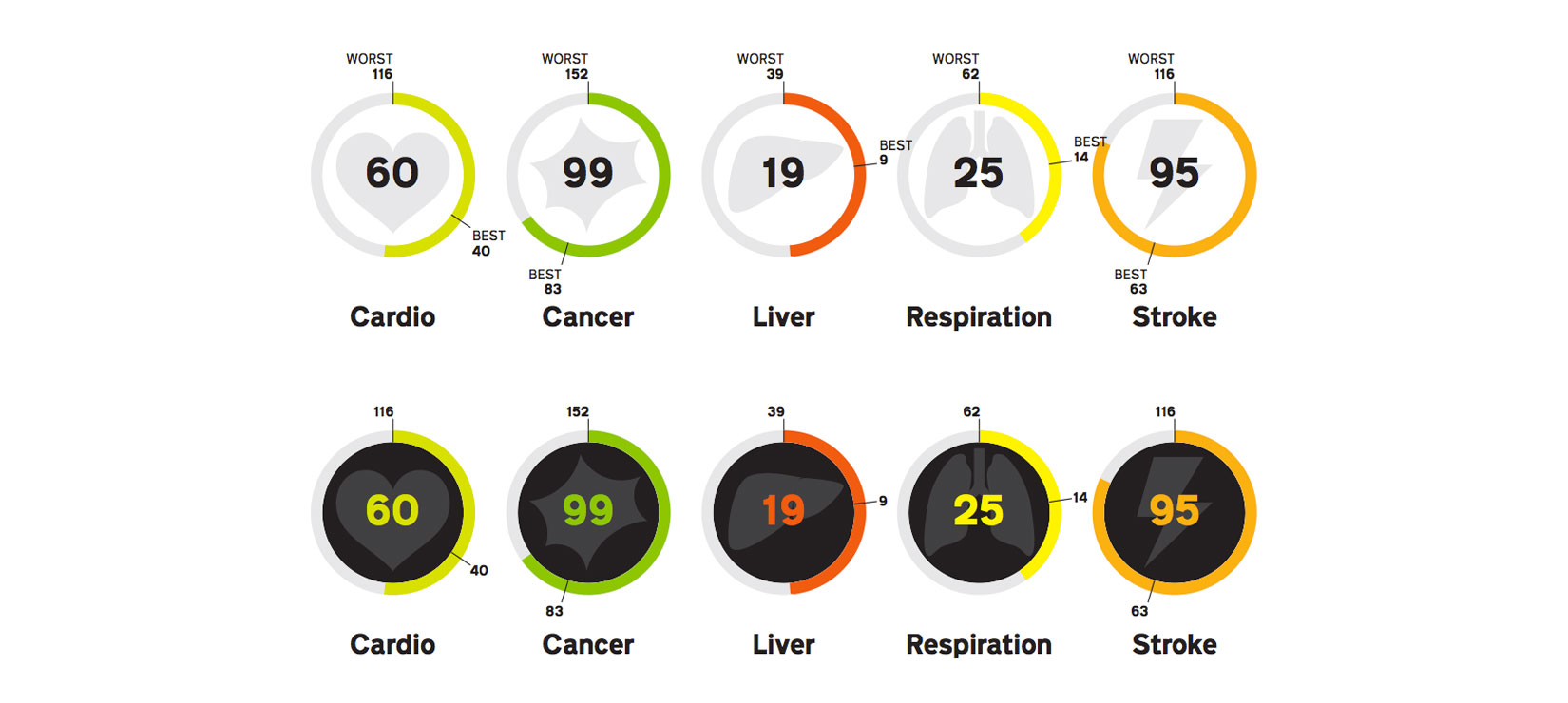
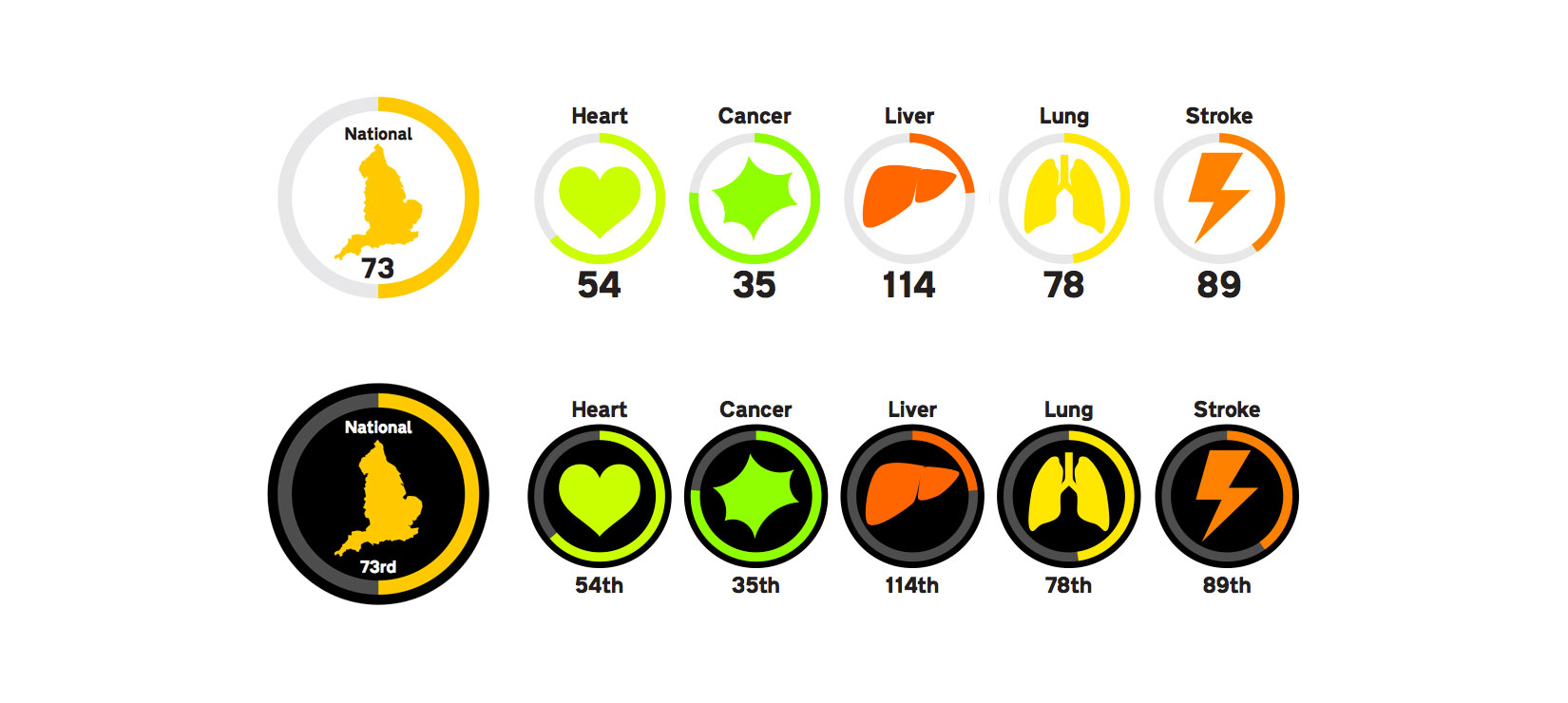
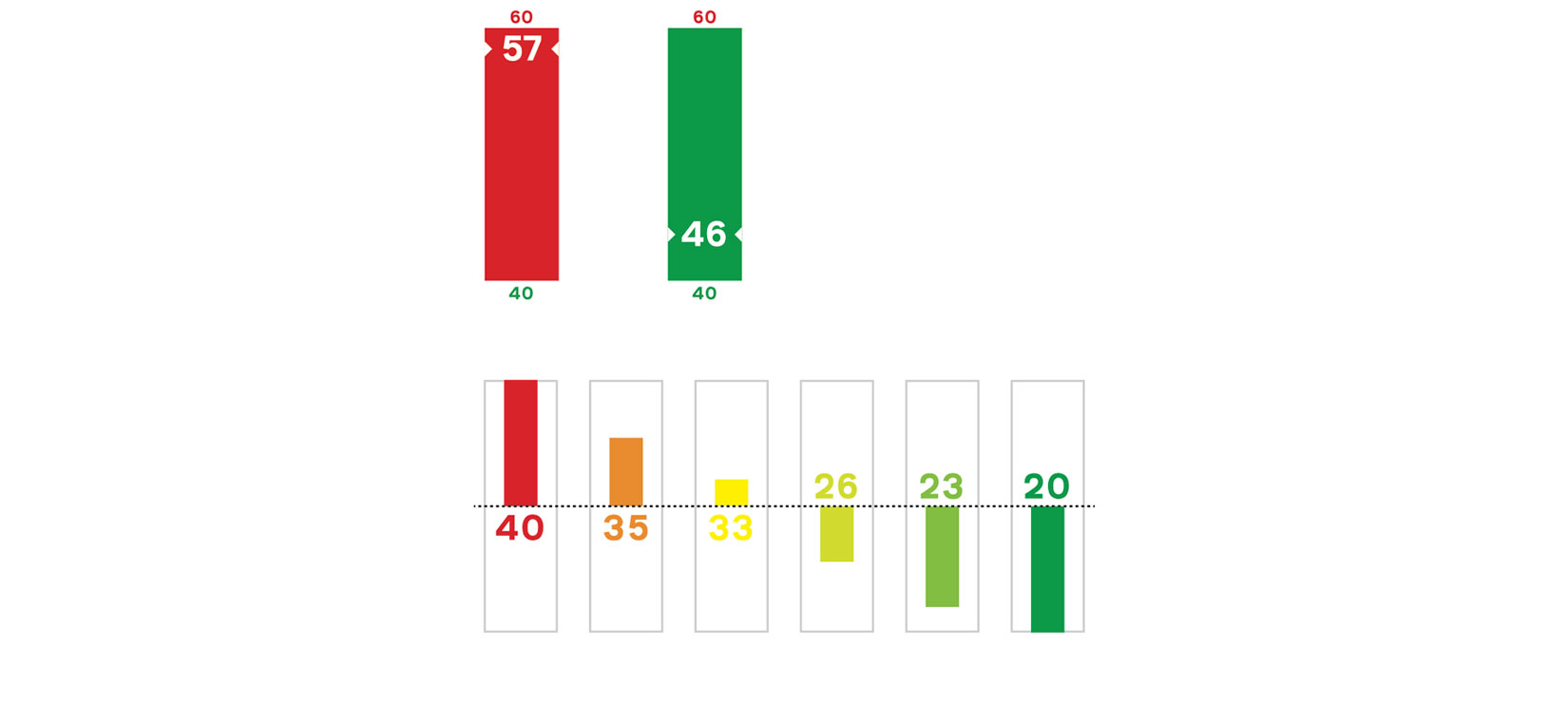
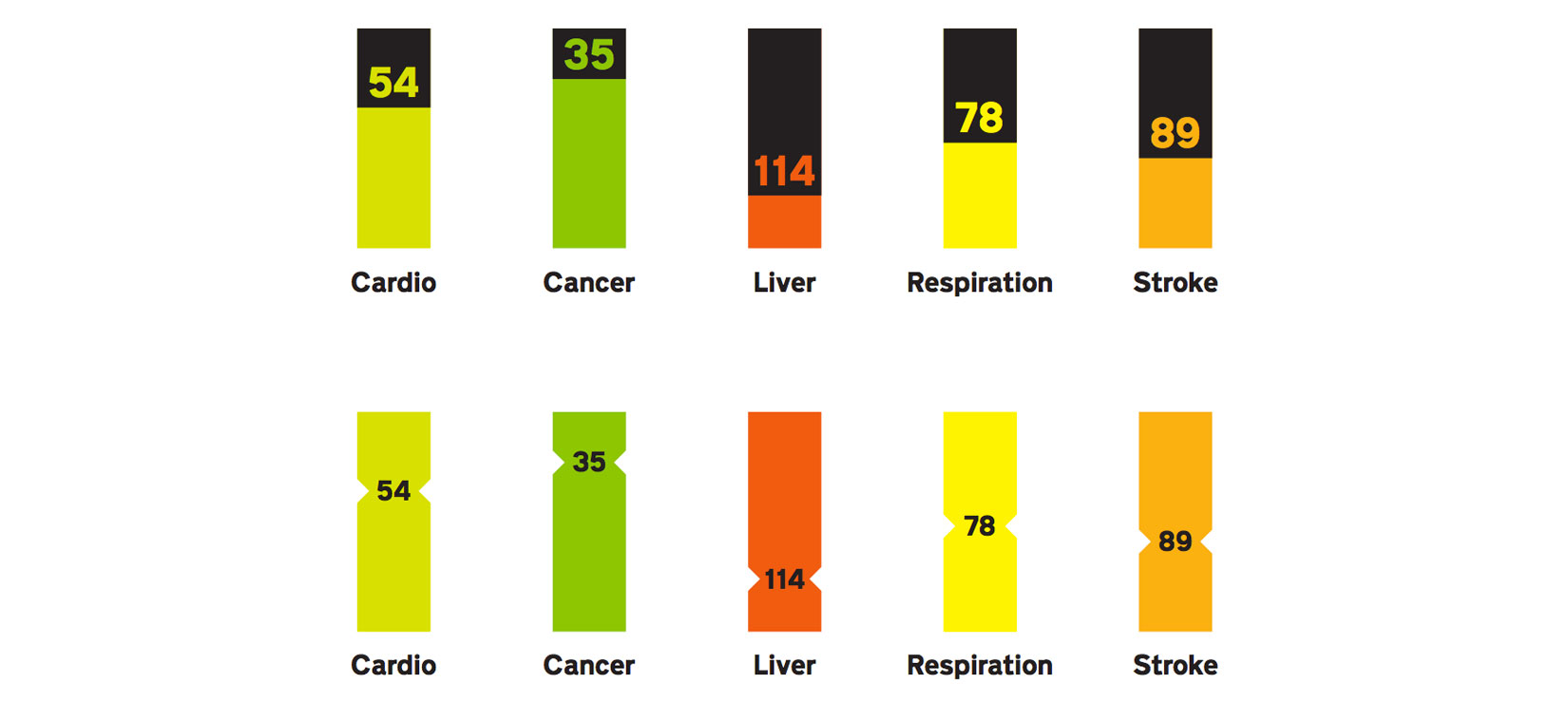
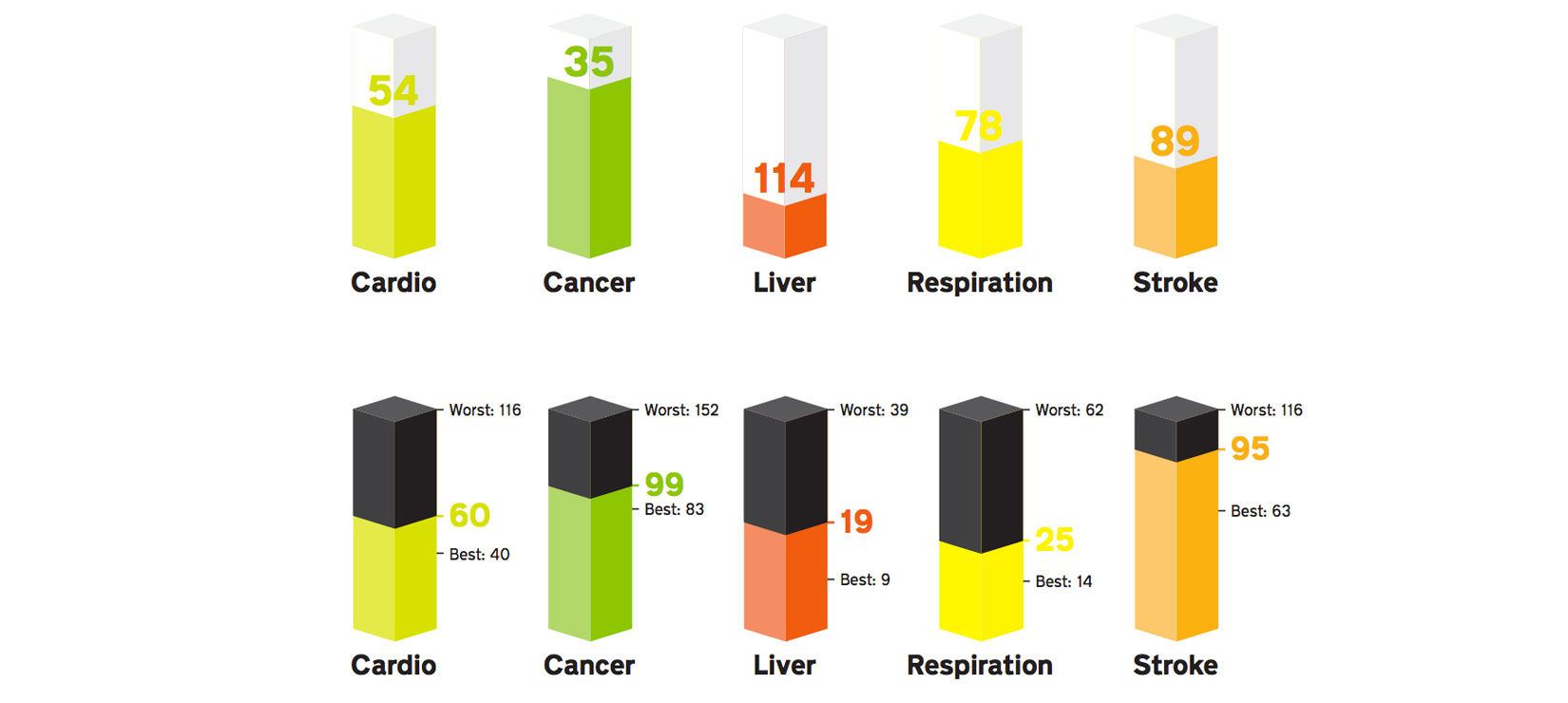
Four things dictated how the website and data was going to be graphically represented. (1) Unlike static infographics, data visualization needed to be objective with no illustrative flair to avoid readings that might be mistaken for specific political positions. (2) Being dynamic, it needed to be scalable without compromising its direct simplicity when data sets are expanded or augmented. (3) It had to be quick and familiar in its form so anyone can easily understand it. (4) It needed to be designed within the constraints set by GDS (UK’s Government Digital Service), ensuring safe colors for blindness, scalability, legibility and many others ensuring alignment and compliant for accessibility.
From Insights To Solutions To Action
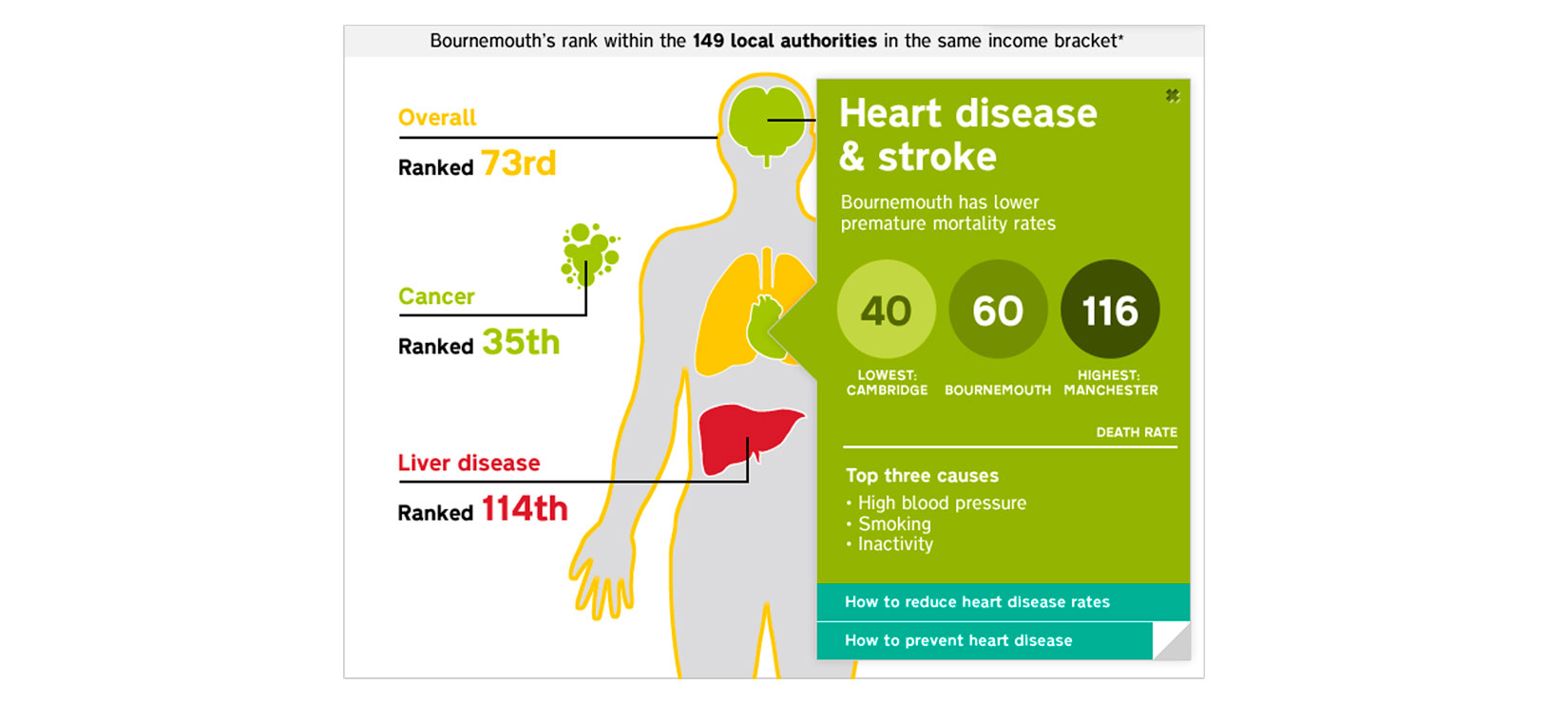
The core of PHE’s Longer Lives is visualizing complex data in consumable forms. It was also designed and built for successively integrating new data sets (disease categories, demographics, etc.) to get a deeper health picture. But that wasn’t enough to impact change. The underlying proposition of the site was to inspire action, so the experience had to encompass three areas to help achieve this: present rich data relevant to specific boroughs, offer case studies and programs of related health solutions, and provide a forum to facilitate discussion, collaborations, and feedback on a national and local level.
Social Media Playbook: The First 72 Hours
Public Health England’s Longer Lives was vested in conversations on a public level. Leveraging social media to transparently interact with stakeholders and constituents provided a turn-key solution. For a government arm, this sort of thinking was ground-breaking and disruptive. The intent for social media was to establish PHE’s new presence and mandate, publicize its Longer Lives initiative, reach influencers to promote and join the discourse, and to fuel ideas in reducing premature mortality. Social listening was also key in helping shape and validate health policies and initiatives. Within 72 hours of the launch of Longer Lives, results reflected success in meeting its goals.
78742
UNIQUE VISITS TO LONGER LIVES WEBSITE
1336
PEOPLE TALKING ON TWITTER
1223
MEDIA/PRESS WEBSITE COMMENTS
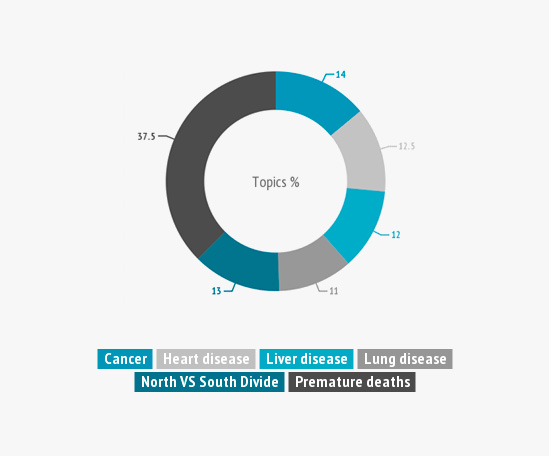
CONVERSATION TOPICS

TRAFFIC SOURCE TO LONGER LIVES WEBSITE
National Impact
From press to broadcast to blogs, people in every part of England were discussing the topic of premature mortality, especially in boroughs with critical health challenges. Major press publications like The Guardian, The Times, The Telegraph, and The Daily Mail, covered the launch with bold headline-grabbing urgency. Major broadcast channels like BBC, Sky News, and ITV led news coverage with knowledge gleaned from Longer Lives; additionally presenting dedicated segments with health experts, government directors, and local citizens. Regional and public health related blogs also joined the conversation. Per Longer Lives’ journey strategy, the press/media reported the critical nature of the matter.
Real Actions, Real Change In 30 Days
True success is measured by how individual lives are impacted in a positive fashion. Within 30 days of the launch of Public Health England’s Longer Lives, five boroughs in England—Bracknell Forest, Brighton Hove, Chesire East, Cumbria, and Lambeth—began initiatives to immediately confront the rise of early deaths. As PHE’s Longer Lives grows, clear and accessible data will help progress people’s engagement on improving the condition of their health, leading to discourse and debate, while networking ideas and solutions to collectively battle premature mortality.

/ Website / Social Media
IxDA Interaction Awards, Best in Category Winner: Disrupting
The Lovies, Bronze Winner
Campaign BIG Awards, Health & Beauty, Shortlist
UXUK Awards 2014, Shortlist
CATEGORY
Art / Design Direction, Branding, Content Development, Creative Direction, Experience Design-UX/UI, Social Media, Solution Strategy / Concept
MARINES
Animation / Motion Design, Apps / Systems, Art / Design Direction, Branding, Content Development, Creative Direction, Customer Relationship Management, Experience Design, Integrated Marketing, Social Media, Strategy
DEUTSCHE BÖRSE
Center of Strength
Advertising, Art / Design Direction, Branding, Creative Direction, Experience Design, Integrated Marketing, Strategy

BRITISH GAS
Making The Invisible, Visible
Apps / Systems, Art / Design Direction, Branding, Content Development, Creative Direction, Experience Design, Strategy
